
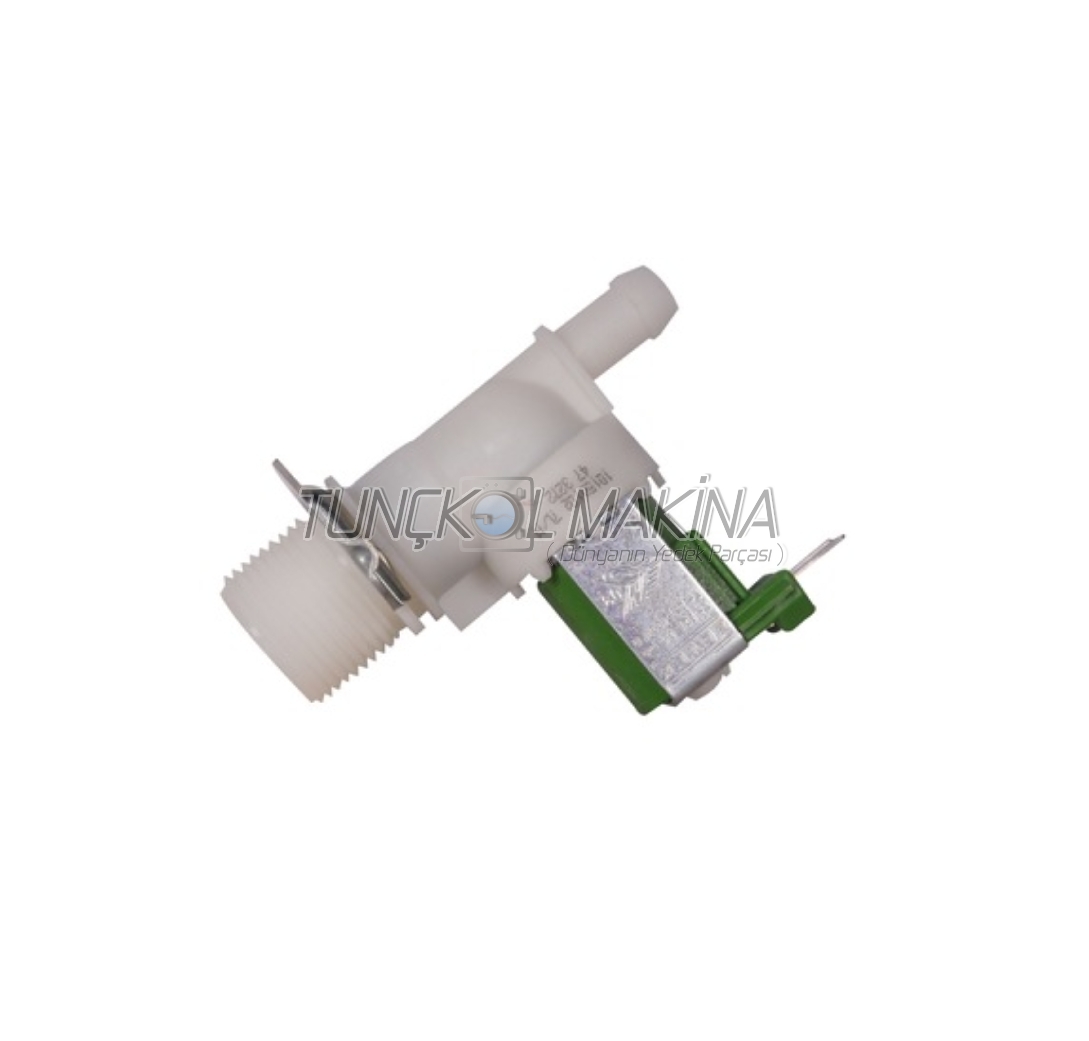
 Representative photo from a related product family
Valves and flow control
Steam solenoid valve
A steam solenoid valve requires a body, seals and coil suited to the documented steam application.
View detailsMauritius
Choosing a Heat-exchanger coil starts with the part fitted to the machine. Compare its code, mounting arrangement and operating requirements before deciding that a visually similar item will perform the same function.
Our confirmed contact address is in Ankara, Turkey. A country or city page does not mean that we have an office or technician at that location. Service availability and shipment options are confirmed for each request.
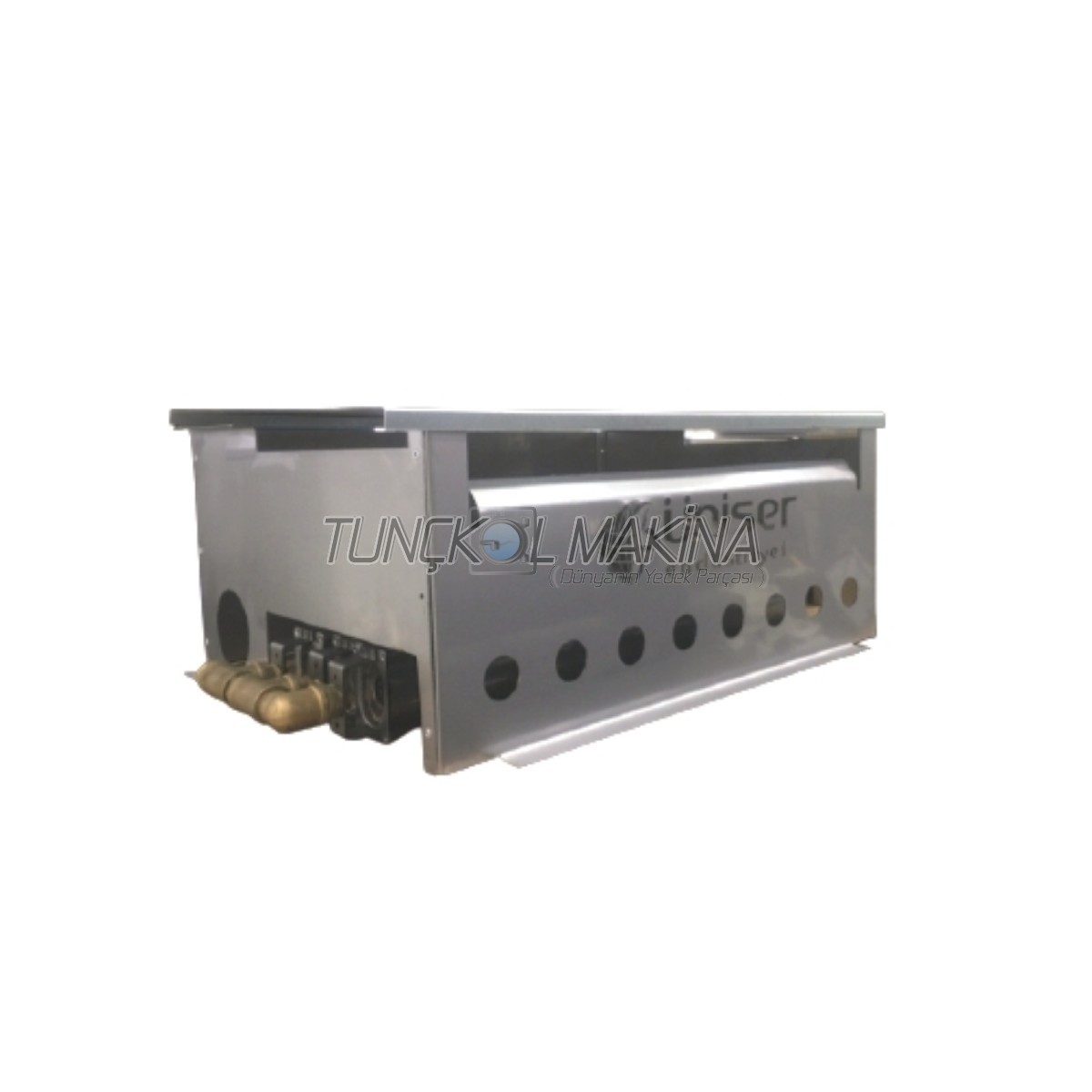
Representative photo from a related product familyValves and flow control
A steam solenoid valve requires a body, seals and coil suited to the documented steam application.
View details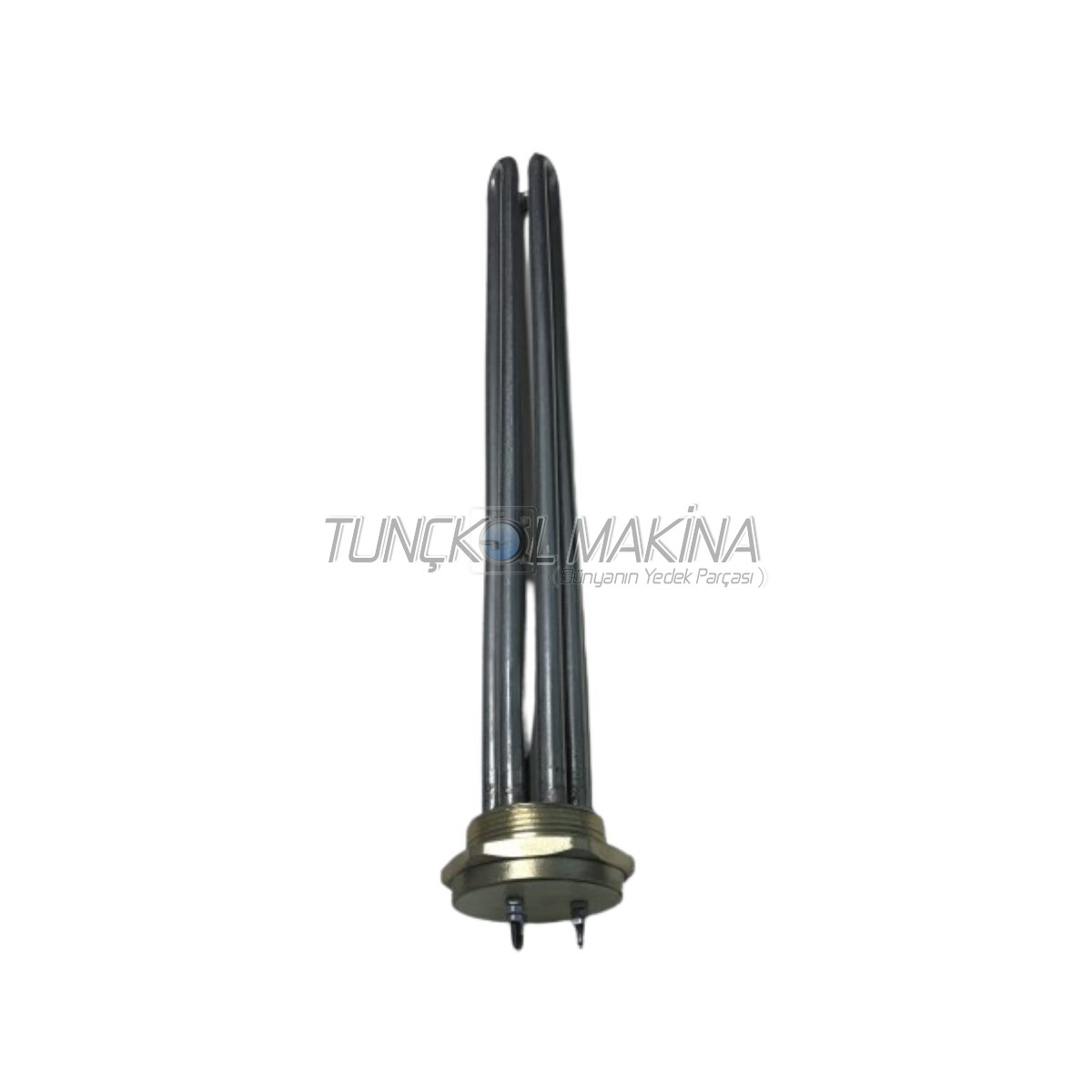 Representative photo from a related product family
Heating elements and heat exchangers
A heater assembly may use electric elements or another heat-transfer arrangement; identify its energy source and assembly scope.
View details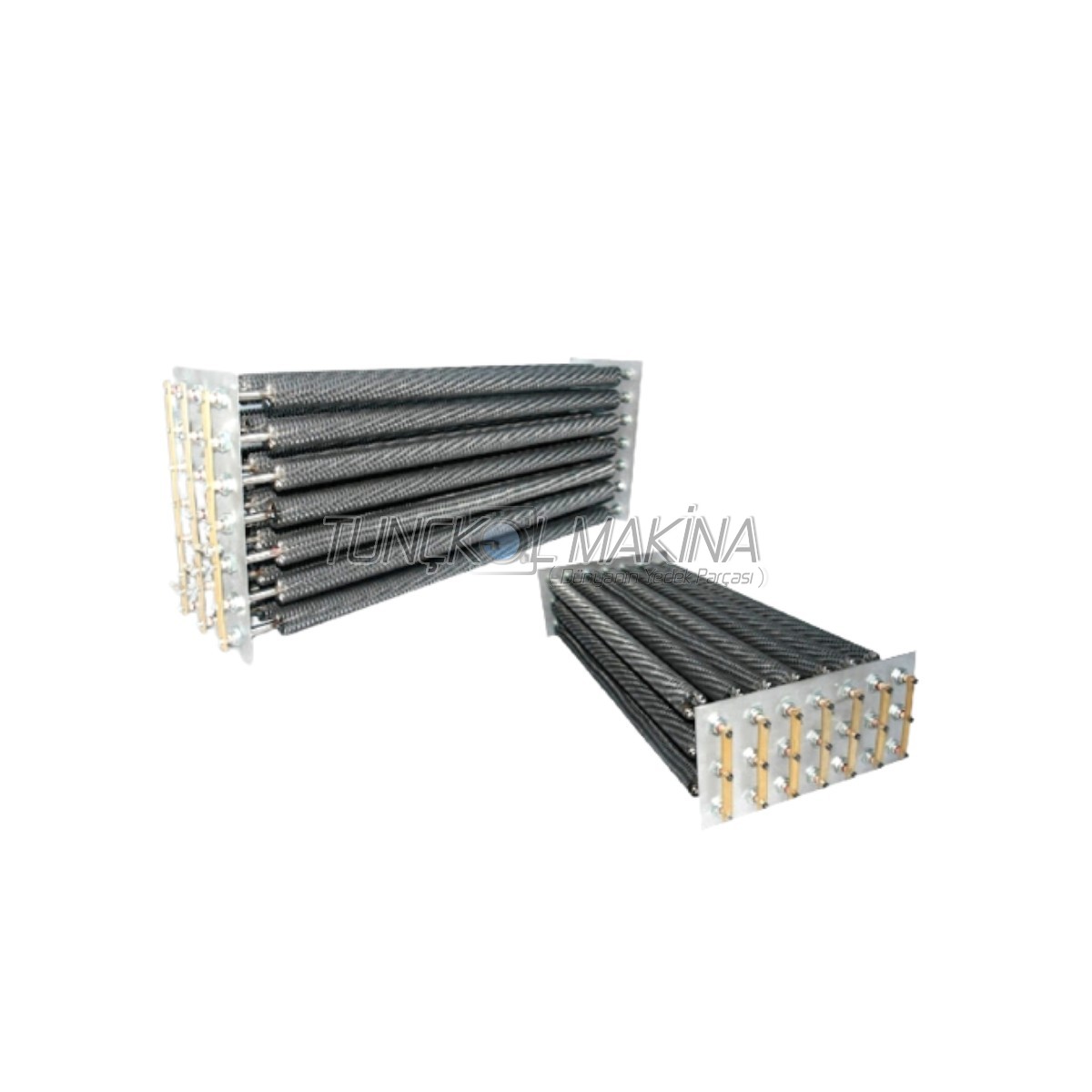
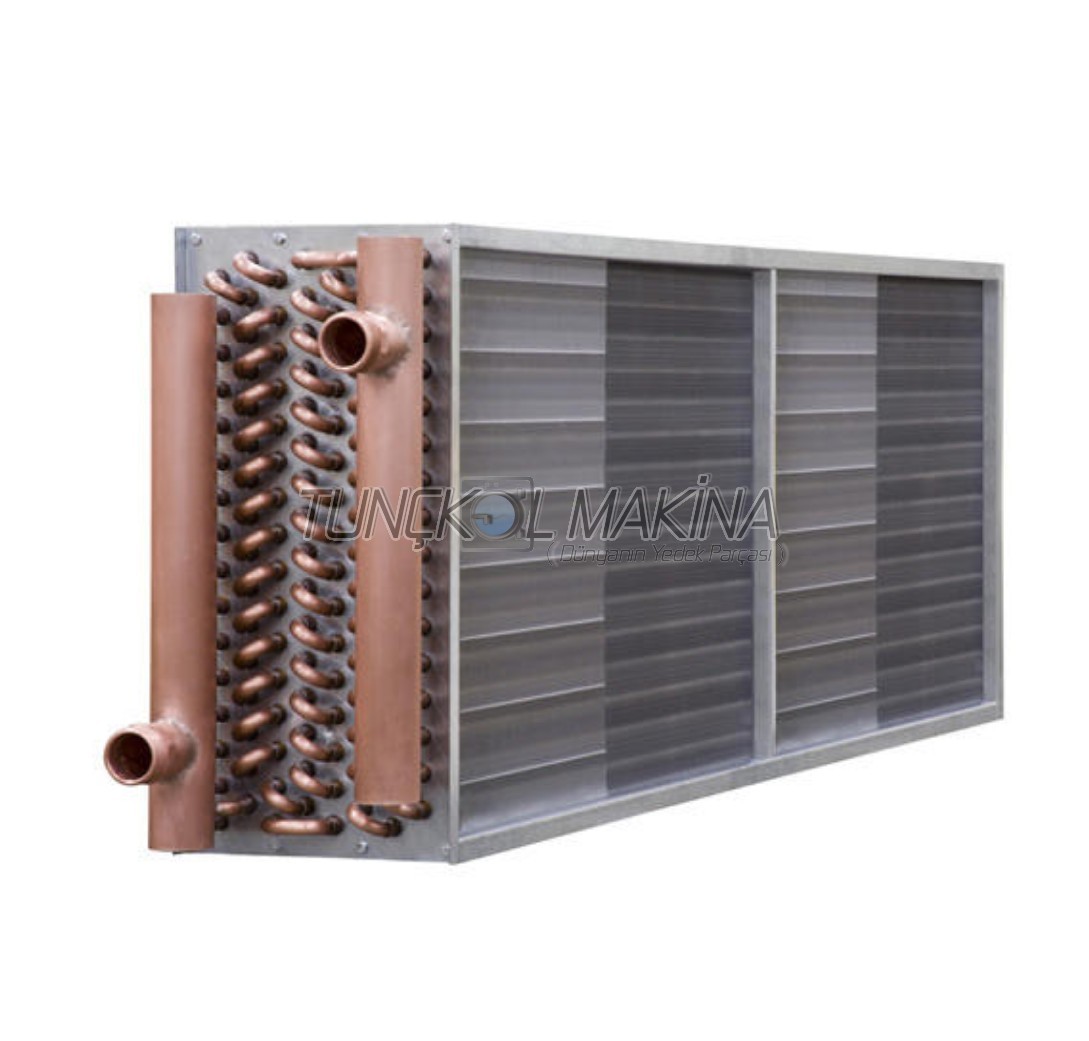
The supplied coil designation may describe a fluid heat exchanger or an electric heater; identify the heat-transfer type.
For fluid service show ports and working conditions; for electrical service provide rating label, terminals and installed form.
Record deposits, restricted surfaces and connection leaks separately from inadequate heat supply; similar shapes can serve different processes.
Heat-transfer type, ports, form, technical label
The condition of the parts around Heat-exchanger coil can matter as much as the component itself. A worn support, loose connection, blocked passage or misaligned assembly may put a new part under the same abnormal conditions. Describe visible wear and the position of any leak, vibration or heat mark without dismantling energized equipment. The checks should follow the machine documentation. Related component guides are included to help organize the request, not to recommend replacing several items without a diagnosis.
A symptom involving Heat-exchanger coil should be described alongside the programme stage and the first alarm shown. An interrupted supply, a restricted mechanical movement or an incorrect signal can produce similar symptoms. Record whether the fault is constant, intermittent or linked to heat, load or moisture. Keep earlier and later alarms separate. This sequence helps a qualified technician decide which checks are appropriate instead of treating the last displayed message as a complete diagnosis.
Before a Heat-exchanger coil is replaced, the machine must be placed in the condition required by its maintenance procedure. Electrical power, stored pressure, temperature and moving assemblies need appropriate control by qualified personnel. The replacement specification should be agreed before removal, including the mounting and connection arrangement. After fitting, the relevant functional and acceptance checks belong in the maintenance record. Replacing a component without checking the reason for its failure can leave the original problem in place.
Before supply is discussed, confirm the Heat-exchanger coil code, quantity and machine details in writing. For a request from Mauritius, include the actual destination and the practical contact details needed to assess delivery options. Compatibility, availability, price and shipment terms are confirmed for the specific enquiry; a website entry is not a stock declaration. If an alternative is considered, its functional and mechanical differences need to be checked rather than treating a similar photograph as proof of equivalence.
Compare the whole interface around Heat-exchanger coil: mounting points, connector orientation, cable route and any mechanical clearance. A matching outside dimension may hide a different electrical rating, control signal, seal material or duty requirement. Read these details from the existing label and machine documentation. Do not infer a working voltage or pressure from the brand name. When a measured value is supplied, identify the measuring points and units so that the comparison has a useful technical meaning.
This edition covers enquiries from Mauritius. The geographical directory contains 116 populated-place records and 12 administrative-area records. Capital city: Port Louis. These records describe the directory, not the number of service offices, and do not confirm a technician at that location. Your actual city, service options and delivery arrangements are checked individually for each enquiry before assistance or shipment is agreed.
The active region may not extend along the complete element. Compare original power and voltage with active length, overall dimensions, form and terminals. Mounting and medium also matter. Equal shape does not establish equal heat output. For cassette or multi-element assemblies identify the internal connection and total rating rather than treating carrier dimensions as a complete electrical specification. This distinction preserves both the installation fit and the heating characteristics that must match the actual machine application.
For fluid service show ports and working conditions; for electrical service provide rating label, terminals and installed form. Heater assembly.
A heater transfers energy into its surroundings, so deposits, lint and restricted circulation affect observed performance. Include the airflow or fluid path with the symptom. Record supply command and temperature sensing separately from contamination. Similar elements can have different permitted environments. Compare working conditions, mounting and material instead of selecting by shape or assuming every complaint originates in the heater. The resulting enquiry links the element to its thermal environment while keeping unconfirmed causes separate from observations.
Record deposits, restricted surfaces and connection leaks separately from inadequate heat supply; similar shapes can serve different processes. Steam solenoid valve.
A supplied coil term may refer to a fluid heat exchanger or an electrical heating assembly. Identify the type before requesting ratings or ports. For fluid service show inlet, outlet and conditions; for electric service provide label and terminals. Keep form separate from function. An installed overview and code prevent a heat-transfer body being confused with an electric replacement of similar appearance. Neither the familiar name nor the outer geometry independently establishes the energy source or required operating capacity.
Heat-transfer type, ports, form, technical label Heater assembly.
Send the full model and serial number, the existing Heat-exchanger coil code and a readable machine plate photograph. Include the component label, connector and mounting arrangement if these can be photographed safely. The same brand can use different revisions across machine families and production periods. If the old part was already replaced, include both codes and explain which one was originally fitted. This information supports an identification check; the brand and a general description alone are not enough. Steam solenoid valve.
A photograph is a useful starting point for Heat-exchanger coil, but it cannot verify every specification. Hidden dimensions, internal construction, signal type or material can differ between similar-looking items. Compare the label and documented requirements as well as the visible shape. The gallery may contain a reference photograph or a clearly marked technical illustration. Neither image should be read as proof of the current stock, original manufacturer or compatibility with every Tolon, Tolkar or Kromlüks machine. Heater assembly.
Describe the first symptom, programme stage and alarm in their original order. Explain whether the issue appears during starting, filling, heating, rotation, discharge or another identifiable operation. For Heat-exchanger coil, add recent maintenance, operating conditions and any verified measurements with their units. Avoid turning an untested suspicion into a confirmed diagnosis. Qualified personnel can then compare the evidence with the machine documentation and decide whether the requested component or a connected assembly needs further investigation. Steam solenoid valve.
Availability and price are checked against the identified Heat-exchanger coil, required quantity and agreed specification. For an enquiry from Mauritius, provide the actual city and delivery destination so that feasible shipment options can be discussed. The presence of a product page does not establish stock or an agreed dispatch date. Any offered alternative needs a separate compatibility check. The quotation should identify what is included and which delivery conditions still require confirmation before an order is accepted. Heater assembly.
After fitting Heat-exchanger coil, the machine-specific maintenance procedure determines the functional checks and conditions for returning the equipment to use. Qualified personnel should confirm the relevant connections, mounting and operating response, then record the result alongside the original symptom. An alarm disappearing once is not proof that an intermittent cause has been resolved. Where the fault involved a supply, leak, abnormal load or mechanical restriction, that condition also needs to be addressed before the replacement is considered successful. Steam solenoid valve.
Tunçkol Makina is an independent private service and spare parts business. This Heat-exchanger coil page provides identification guidance for enquiries involving Tolon, Tolkar and Kromlüks equipment; it does not declare an authorized relationship with those brands. Our confirmed contact address is in Ankara, Turkey. A country or city edition helps organize an enquiry, while local attendance, remote assistance and shipment feasibility must be confirmed separately for the actual request and location. Heater assembly.